
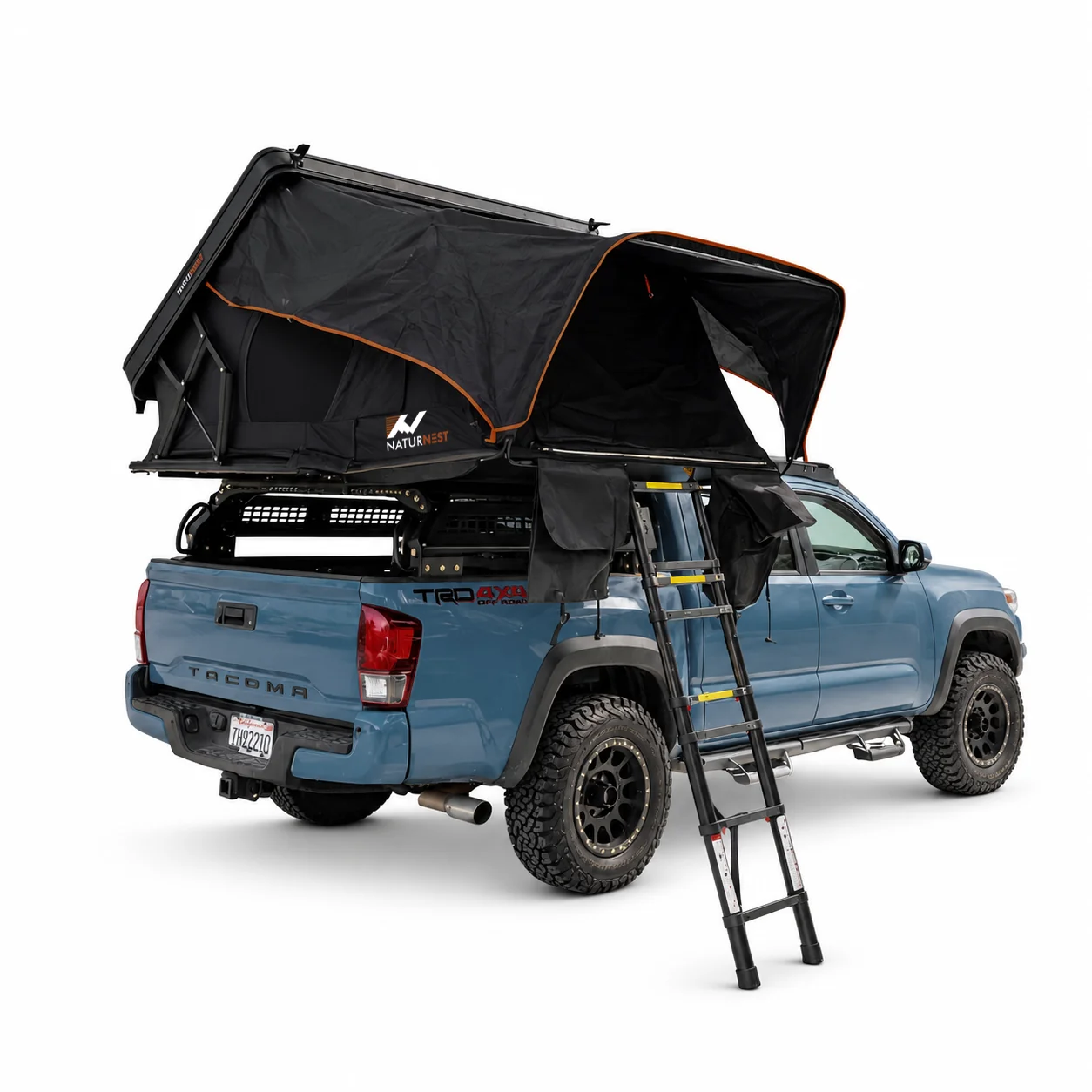
Search demand around rooftop tents is strongest when buyers are close to choosing equipment. This guide targets that high-intent question and turns it into a practical buying and setup checklist for ChinaRuoan readers.
Why this topic matters now
Buyers researching SUV fitment, roof-rack dynamic load, fast setup, low wind noise and family comfort usually care about real-world fit, setup time, weather performance and the total cost of the camping system. Instead of chasing a generic trend, focus on the decision points that affect whether the product actually works on the vehicle.
How to choose the right setup
Start with the vehicle and roof rack, then choose the tent or shelter. Confirm dynamic roof load, usable sleeping width, packed height, ladder position and whether you need a separate dry area for shoes, jackets or cooking gear. For long highway trips, a low-profile hard shell reduces wind noise and fuel penalty.
Common mistakes to avoid
- Buying a tent before checking crossbar load and spacing.
- Ignoring condensation control in cold or coastal weather.
- Choosing the largest tent when a smaller hard shell plus annex would be easier to live with.
- Forgetting recovery access, tailgate clearance and garage height.
Recommended ChinaRuoan setup
For most SUV and overlanding users, start with a hard-shell rooftop tent such as the Sirius 2 XL Aluminum. Add an annex room when privacy or wet-gear storage matters, and consider a 270 awning when shade and cooking space are the priority.
Quick checklist
- Confirm rack dynamic load before ordering.
- Measure garage and ferry height with the tent installed.
- Plan one dry zone and one wet zone in camp.
- Recheck mounting bolts after the first trip.
Bottom line
The best rooftop tent setup is not always the biggest one. It is the system that fits the vehicle, opens quickly, handles bad weather and gives each piece of gear a clear job.